Jason or Iason (Ancient Greek: Ἰάσων "Iásōn" Latin: IÁSÓN "Jāsōn") was a hero in Greek mythology and the famous leader of the group of adventurers known as the Argonauts, with their most famous quest been the search of the Golden Fleece. Jason was the son of king Aeson, the nephew of Pelias and the heir to the throne of Iolcus in Greece.
Etymology
The name Iason comes from Greek Ἰάσων (Iásōn), meaning "healer", from the verb ἰάομαι (iáomai), "heal", "cure", cognate with ἰατρός (iatrós), "healer", "physician" and Ἰασώ (Iasṓ), the goddess of healing, Forms of related words have been attested in Greek from as far back as Mycenaen (in Linear B) and Arcadocypriot (in the Cypriot syllabary) Greek: 𐀂𐀊𐀳, i-ja-te and i-ja-te-ra-ne, respectively, both regarded as standing for inflected forms of ἰατήρ, "healer".
Mythology
Pelias and the stolen kingdom
Aeson's power hungry half-brother Pelias, took advantage of the age of king Aeson, and locked the king in prison to take over the kingdom of Iolcus for himself. Pleias killed all the descendants of Aeson he could. Later on, Aeson's wife (Alcimede) already had a child known as Jason, and knowing Pelias would kill the baby if he knew about the baby's existence, she escaped with the baby in hand and her kinfolk in another. Alcimede sent Jason to the centaur Chiron for him to be educated and trained. Pelias, still fearful that he would one day be overthrown, consulted an oracle which warned him to beware of a man with one sandal.
Many years later, when Jason grew old enough, he was informed of his name and destiny. He then returned to Greece to take the kingdom off his evil uncle's hands. Pelias was holding games in honor of the sea god and his alleged father, Poseidon, when Jason arrived in Iolcus and lost one of his sandals in the river Anauros ("wintry Anauros"), while helping an old woman to cross (the Goddess Hera in disguise). She blessed Jason as she knew what was waiting for Jason ahead. When Pleias met Jason at the games, he (Jason) was announced as a man wearing one sandal. Jason, knowing that he was the rightful king of Iolcus, told Pelias that. Pelias wanted to kill him, but Jason and other uncles of his stopped Pelias from doing so. Pelias then elaborated a scheme and planned to send Jason on a journey he knew Jason could not finish nor return from alive. The mission: Retrieve the Golden Fleece and bring it back to Greece.
Jason and the Argonauts
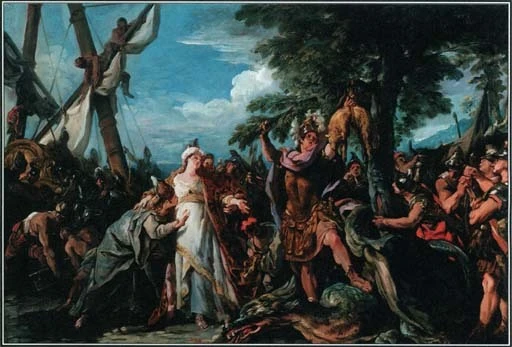

Jason and the Argonauts
Jason assembled a team of heroes to aid him on his quest, this team was known as the Argonauts, named after their ship, the Argo.
The Argonauts included various young heroes such as:
In Popular Culture
Films
In Ray Harryhausen's Jason and the Argonauts, Jason leads the expedition on a quest for the Golden Fleece. When they reach the fleece, Jason touches it, event which immediately awakens the Hydra. Contrary to myth, Jason slays the Hydra and not Hercules (reason been the latter already had left the Argonauts at this point of this re-imagined story).
Video Games
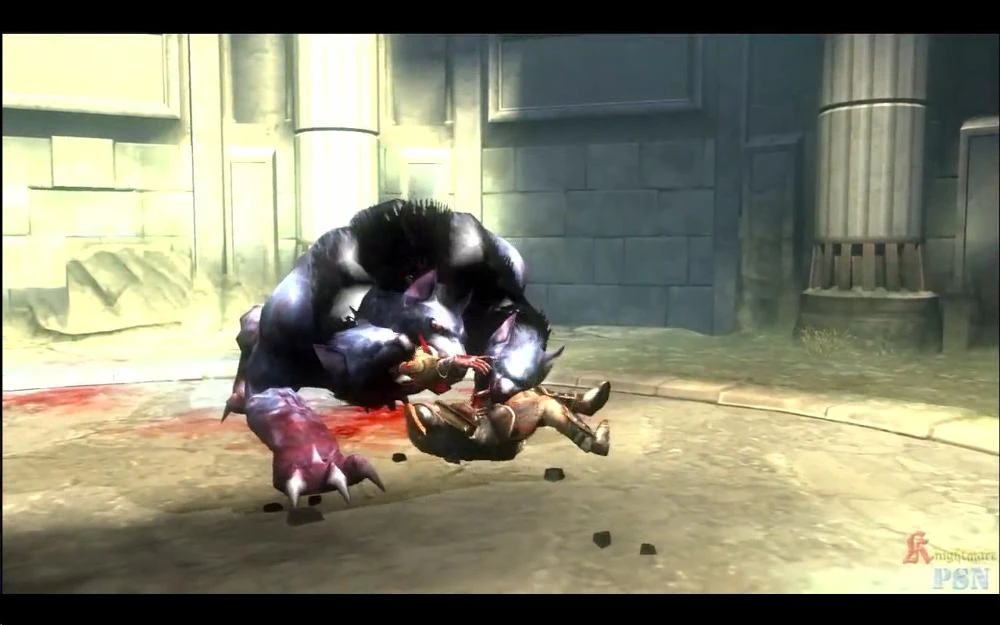

Jason facing his demise at the teeth of the Cerberus in God of War II
Jason is briefly mentioned and makes a cameo in God of War II. After the Mole Cerberus kills most of his crew, during their search of the Golden Fleece, the Cerberus captures Jason. When Kratos arrives to rescue Jason, it is too late as Jason has been devoured by the Mole Cerberus. Jason's ending in this God of War game is similar to the ending of other mythological heroes appearing in the series: a full of gore, bloody and terrible death, trait which is shared by all God of War games.
Plays
Jason appears in the musical play for junior schools, Jason and the Golden Fleece, written by Lynne and Robin Benton.
Books
Jason appears in the epic literature masterpiece Jason and the Golden Fleece, written by James Riordan and Jason Cockcroft.
Family
| ||||||||||||||||||||||||||||||||||||||||||||||||||||||||||||||||||||||||||||||||||||||||||||||||||||||||||||||||||||||||||||||||||||||||||||||||||||||||||||||||||||||||||||||||||||||||||||||||||||||||||||||||||||||||||||||||||||||||||||||||||||||||||||||||||||||||||||||||||||||||||||||||||||||||||||||||||||||||||||||||||||||||||||||||||||||||||||||||||||||||||||||||||||||||||||||||||||||||||||||||||||||||||||||||||||||||||||||||||||||||||||||||||||||||||||||||||||||||||||||||||||||||||||||||||||||||||||||||||||||||||||||||||||||||||||||||||||||||||||||||||||||||||||||||||||||||||||||||||||||||||||||||||||||||||||||||||||||||||||||||||||||||||||||||||||||||||||||||||||||||||||||||||||||||||||||||||||||||||||||||||
| Preceded by: Aeson (Second Rule) |
King of Iolcus
(First Rule) |
Succeeded by Acastus |
| Preceded by: Acastus |
King of Iolcus
(Second Rule) |
Succeeded by Thessalus |
Gallery
| Heroes in Greek mythology | |
|---|---|
| Deucalion · Cadmus · Bellerophon · Perseus · Daedalus · Jason and the Argonauts · Kastor and Polydeukes · Orpheus · Meleager · Atalanta · Peleus · Telamon · Laertes · Heracles · Theseus · Oedipus · Nestor · Philoctetes · Palamḗdēs · Diomedes · Odysseus · Ajax the Greater · Achilleus · Ajax the Lesser · Hector · Memnon | |
| Maritime folklore | |
|---|---|
| Legendary Sailors & Pirates | Blackbeard • Black Caesar • Jason • Sinbad the Sailor |
| Sea Monsters | Akheilos • Akhlut • Akkorokamui • Angeoa • Bahamut • Bakunawa • Bunyip • Cetus • Charybdis • Golden Clip Crayfish • Ḫedammu • Imap Umassoursua • Isonade • Jǫrmungandr • Keto-Esu • Kraken • Leviathan • Loch Ness Monster • Nuckelavee • Păl Raí Yûk • Porpoise people • Qaxdascidi • Quinotaur • Sazae-oni • Scylla • Sea lion • Sea serpent • Shiofuki • Stoor worm • Ugjuknarpak • Yamata no Orochi |
| Mermaids | Amabie • Anola • Ceasg • Chernava • Iara • Lamia • Nereid • Sirena • Sirenuca • Yawkyawk |
| Ghost Ships | El Caleuche • Fireship of Baie des Chaleurs • Flying Dutchman • Palatine Light • Phantom Canoe of Lake Rotomahana |
| Locations | Bermuda Triangle • Costa da Morte • Devil's Sea • Graveyard of the Atlantic • Graveyard of the Pacific • Libertatia • Terra Australis |
| Other | Moby-Dick • The Rime of the Ancient Mariner |